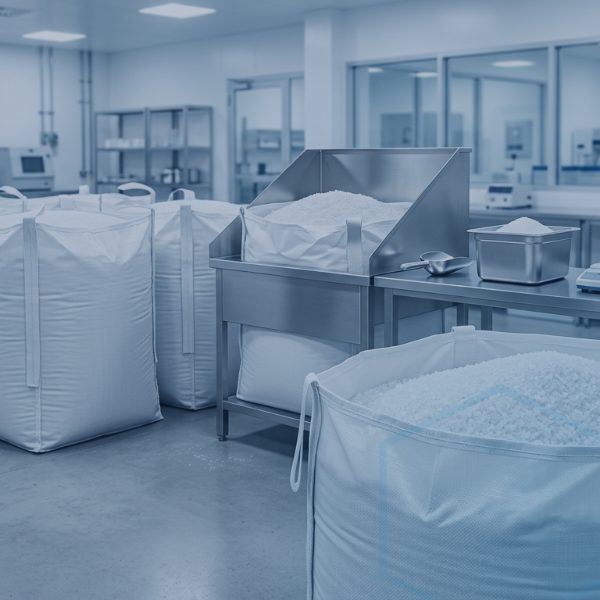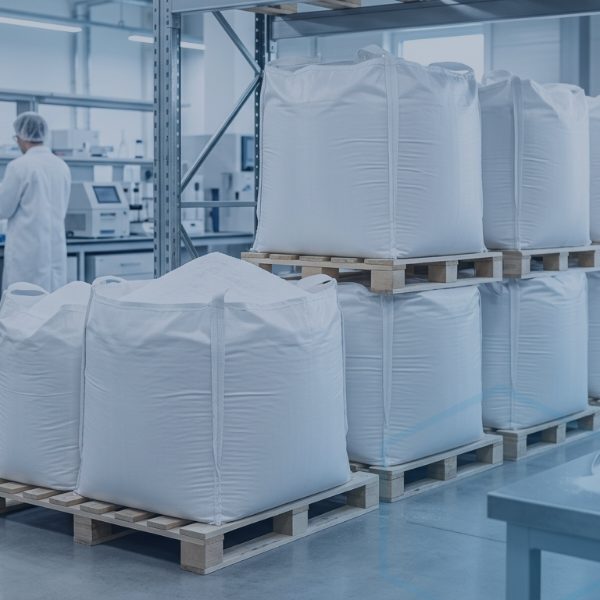
Upcycled food ingredients กำลังเปลี่ยนสถานะจากงานวิจัยระดับ pilot ไปสู่การผลิตเชิงพาณิชย์ ตามรายงานจากงาน IFT FIRST 2026 ที่ FoodNavigator สรุปไว้ สตาร์ทอัพด้าน food upcycling ใช้เทคโนโลยี extraction และ refining แปลง sidestream ทางการเกษตร เช่น กากผลไม้ กากถั่ว และเปลือกเมล็ดพืช ให้กลายเป็น ingredient เกรดพรีเมียม สำหรับทีมจัดซื้อและ R&D คำถามที่สำคัญกว่าคือ ควรตรวจสอบอะไรก่อนขึ้นทะเบียนซัพพลายเออร์กลุ่มนี้ เพื่อไม่ให้ supply chain สะดุดหลัง scale-up
สถานะล่าสุดของ Upcycled Food Ingredients ในงาน IFT FIRST
รายงานจากงานระบุว่าโทนของการนำเสนอเปลี่ยนไปจากปีก่อน ๆ สตาร์ทอัพพูดถึง throughput, yield และ commercial-scale line มากขึ้น แทนที่จะเป็นแค่ proof-of-concept ซึ่งหมายความว่า ingredient ที่เคยมีเฉพาะ sample ทดลอง อาจเริ่มมี volume เพียงพอสำหรับใส่ในสูตรจริงแล้ว แต่ "มี volume" กับ "มี volume สม่ำเสมอ" ไม่ใช่เรื่องเดียวกัน และเป็นจุดที่ทีมจัดซื้อต้องแยกให้ชัดก่อนอนุมัติ supplier
ทำไม Upcycled Food Ingredients ต้องตรวจสอบมากกว่าวัตถุดิบทั่วไป
วัตถุดิบทั่วไปมาจาก crop หรือ process ที่ถูกออกแบบมาเพื่อ ingredient นั้นโดยตรง ในขณะที่ upcycled food ingredients เป็น byproduct ของ process หลักอื่น เช่น การคั้นน้ำผลไม้ การหมักเบียร์ หรือการสกัดน้ำมัน สิ่งนี้ส่งผลสองอย่างต่อไฟล์การจัดซื้อ:
- ปริมาณและองค์ประกอบของ feedstock ผันตามฤดูกาลและ demand ของ process หลัก ไม่ใช่ตาม demand ของผู้ซื้อ ingredient
- spec ระหว่าง lot มีโอกาสเบี่ยงเบนมากขึ้น ถ้าผู้ผลิตไม่มีขั้นตอน standardisation ที่แน่นหนาหลัง extraction
5 จุดตรวจสอบก่อนขึ้นทะเบียนซัพพลายเออร์
- ข้อมูลความสม่ำเสมอระหว่าง lot — ขอ COA จากหลาย lot ไม่ใช่แค่ sample ตอน onboarding ครอบคลุม moisture, particle size distribution และ microbial load
- traceability ของ feedstock — ยืนยันว่ามีเอกสารระบุแหล่ง sidestream ต้นทางและ process หลักที่มาก่อน สำหรับรองรับการตรวจสอบด้าน food safety
- ขั้นตอน standardisation — สอบถามว่า extraction/refining มีขั้นตอนปรับให้ lot มีความสม่ำเสมอหรือขายแบบ "as extracted"
- capacity การ scale-up — สตาร์ทอัพหลายรายยังมีข้อจำกัดด้าน capacity หลัง pilot ควรยืนยัน committed volume ไม่ใช่แค่ technical capability
- เงื่อนไขการเก็บรักษา — powder หรือ concentrate จาก sidestream อาจ hygroscopic หรือไวต่อความร้อนมากกว่าวัตถุดิบทั่วไป ควรตรวจสอบ spec การเก็บให้ตรงกับสภาพคลังของโรงงาน
เปรียบเทียบ: วัตถุดิบทั่วไป vs Sidestream-Derived Ingredient
| ปัจจัย | วัตถุดิบทั่วไป | Upcycled/Sidestream Ingredient |
|---|---|---|
| แหล่ง feedstock | crop/process ที่ออกแบบเพื่อ ingredient นั้น | byproduct ของ process หลักอื่น |
| ความแน่นอนของ volume | สม่ำเสมอ มีสัญญาซื้อขายชัดเจน | ผันตามฤดูกาล/demand ของ process หลัก |
| ความเบี่ยงเบนระหว่าง lot | ต่ำ ควบคุม spec ชัดเจน | ขึ้นอยู่กับขั้นตอน standardisation ของผู้ผลิต |
| สถานะ supplier ทั่วไป | commercial supply ที่ตั้งตัวแล้ว | มักอยู่ในช่วง early commercial/scale-up |
| เอกสารที่ควรขอ | COA มาตรฐาน | COA หลาย lot + traceability feedstock |
FAQ
Upcycled food ingredients ถูกกำกับดูแลต่างจากวัตถุดิบทั่วไปหรือไม่
ส่วนใหญ่ไม่มีหมวดหมู่กฎระเบียบเฉพาะสำหรับ ingredient ที่เป็น "upcycled" — ยังถูกประเมินภายใต้กรอบ food safety และการติดฉลากตาม ingredient class เดิม (protein, fiber ฯลฯ) การตรวจสอบที่กล่าวข้างต้นเป็นการบริหารความเสี่ยง supply chain มากกว่าข้อกำหนดทางกฎหมาย
Upcycled ingredient ควรมีต้นทุนต่ำกว่าวัตถุดิบทั่วไปหรือไม่
ไม่จำเป็น โครงสร้าง extraction/refining และขั้นตอน standardisation เพื่อควบคุมความเบี่ยงเบนระหว่าง lot มีต้นทุนของตัวเอง การตัดสินใจจัดซื้อควรอิงจาก functional fit และความน่าเชื่อถือของ supply มากกว่าสมมติฐานเรื่องต้นทุนต่ำ
การขึ้นทะเบียนซัพพลายเออร์กลุ่มนี้ใช้เวลานานเท่าไร
ขึ้นอยู่กับความพร้อมของผู้ผลิต แต่ควรขอ COA จากหลาย production run ไม่ใช่ครั้งเดียว ก่อนเริ่ม formulation trial ระดับ scale เนื่องจากความผันแปรของ feedstock ที่กล่าวไว้ข้างต้น
How DIC supports this
บทบาทของ DIC ในกลุ่ม ingredient นี้อยู่ที่ฝั่ง supply ไม่ใช่ formulation สำหรับ ingredient ที่ feedstock หรือ demand เป็นไปตามฤดูกาล โปรแกรม VMI ของเราช่วยรองรับความผันผวนของ volume เพื่อไม่ให้ทีมผู้ผลิตต้อง over-order ในช่วง supply ตึงตัว ส่วน concentrate หรือ powder ที่ต้องควบคุมความชื้นและอุณหภูมิ จะถูกเก็บในคลังแยกเกรด pharma-grade ของเรา ไม่ใช่คลังเคมีทั่วไป หากกำลังพิจารณา ingredient จาก sidestream และต้องการมุมมองด้าน supply chain เพิ่มเติม ทีมงาน DIC พร้อมให้คำปรึกษาผ่านฟอร์มติดต่อ